
The importance of shallows
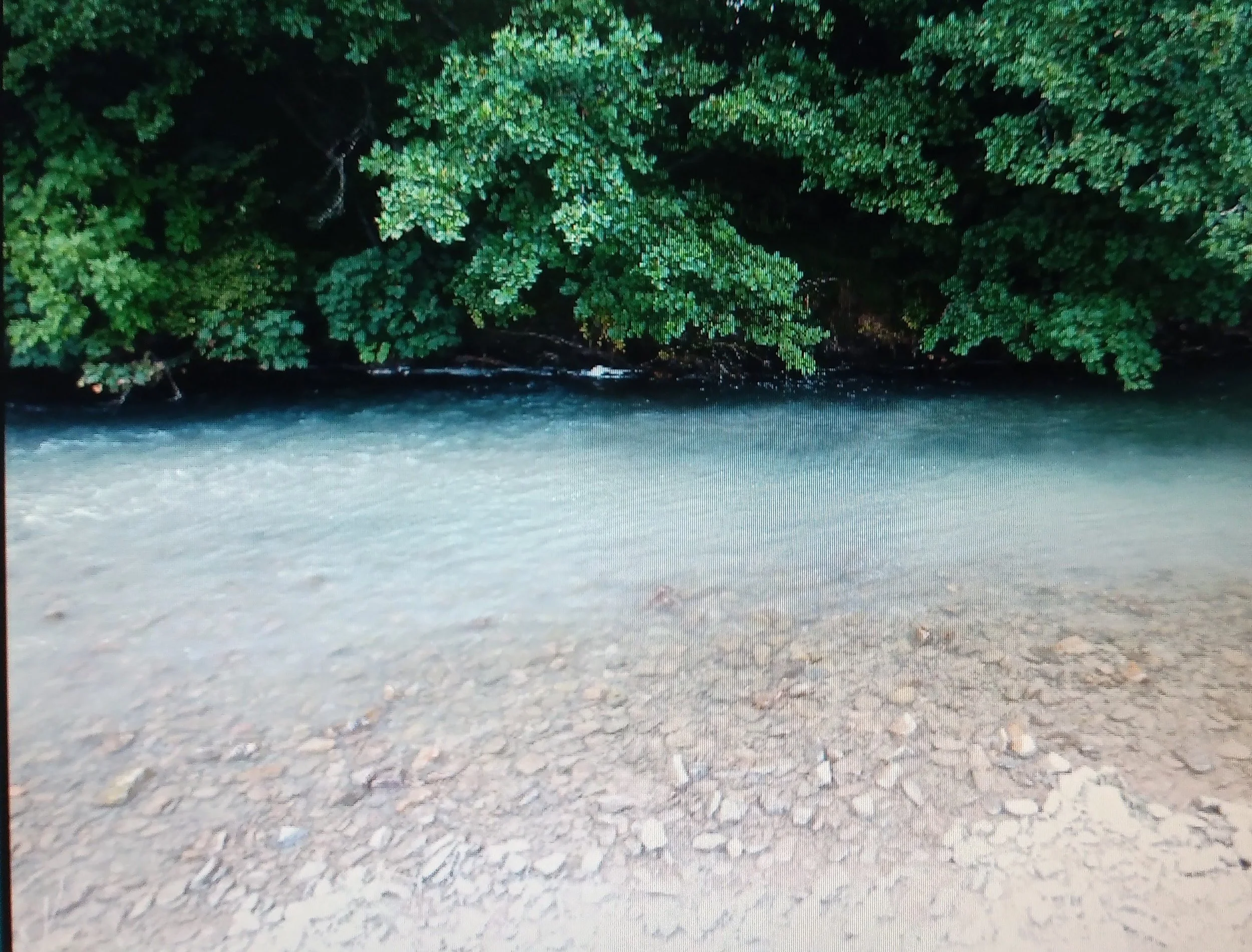
If you want to better understand the concerns about the UU plans to drop the water levels at Crummock, then look no further than the shallow margins.
While lake levels can fluctuate significantly throughout the year, it is the Spring spawning season that is critical when the lake is at its driest. Barely a trickle passes over the lowest point of the weir.
Low flow at Crummock - May 2025
The lake margins are shallow during low Spring water levels. The shoreline is a breeding and nursery habitat for Charr, Perch, Minnow, Pike and Elvers on return from the Sargasso sea.
Everything that thrives in this environment supports the food chain from the smallest of organisms, bacteria, diatoms, a protozoans, diverse algal species of many forms and invertebrates right through to the top predators, the pike and otter at the top of the food chain.
The zone extends out for relatively short distances before there is a steep shelving off into deep water in Crummock. The shoreline (littoral zones) of a water body can support up to seventy percent of the biomass of the lake. Invertebrate and fish species are dependant on this relatively small area of substratum for breeding and foraging. Macrophytes (benthic water plants) also provide cover for these communities.
Change to the current low flow lake levels will migrate the new littoral zone into deposition areas of mud and organic detritus that has accumulated over a period one hundred years or more. Here, wind induced turbulence will mix and release nutrients back into the water column changing the water chemistry towards local enrichment.
Sediment pollution caused by works within the water
Nitrogen and phosphates from the organic detritus deposits will increase both phytoplankton and zooplankton populations. Toxic algal blooms could become a regular feature of the lake.
Some insects , ( Stoneflies , Mayfly , Dragonfly and Damselfly larvae live in the littoral habitat for two to three years before emergence as adults. This will be severely disrupted by a change in water level. Natural life cycle continuity would be broken and a large biomass of invertebrates lost in all probability.
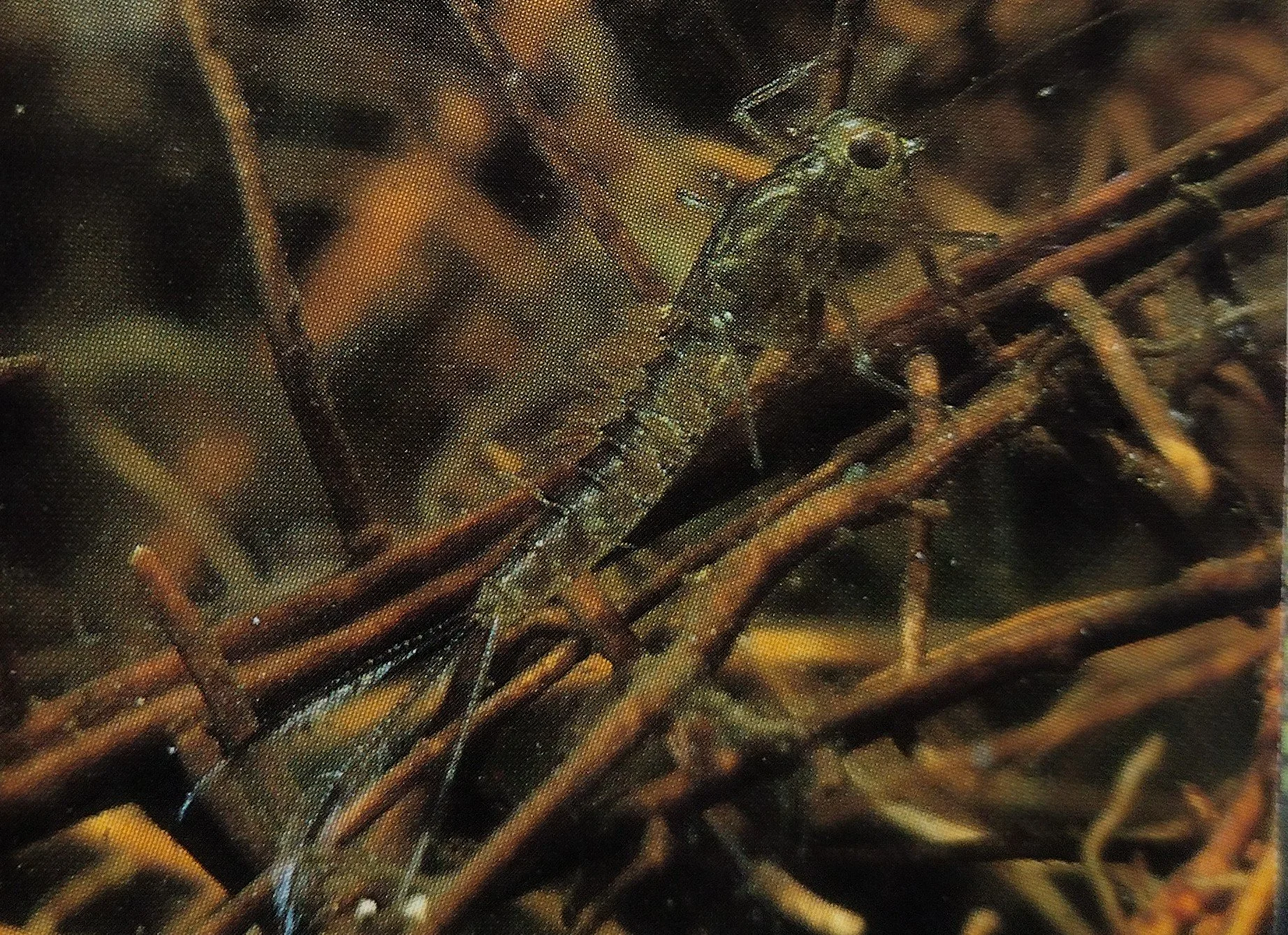
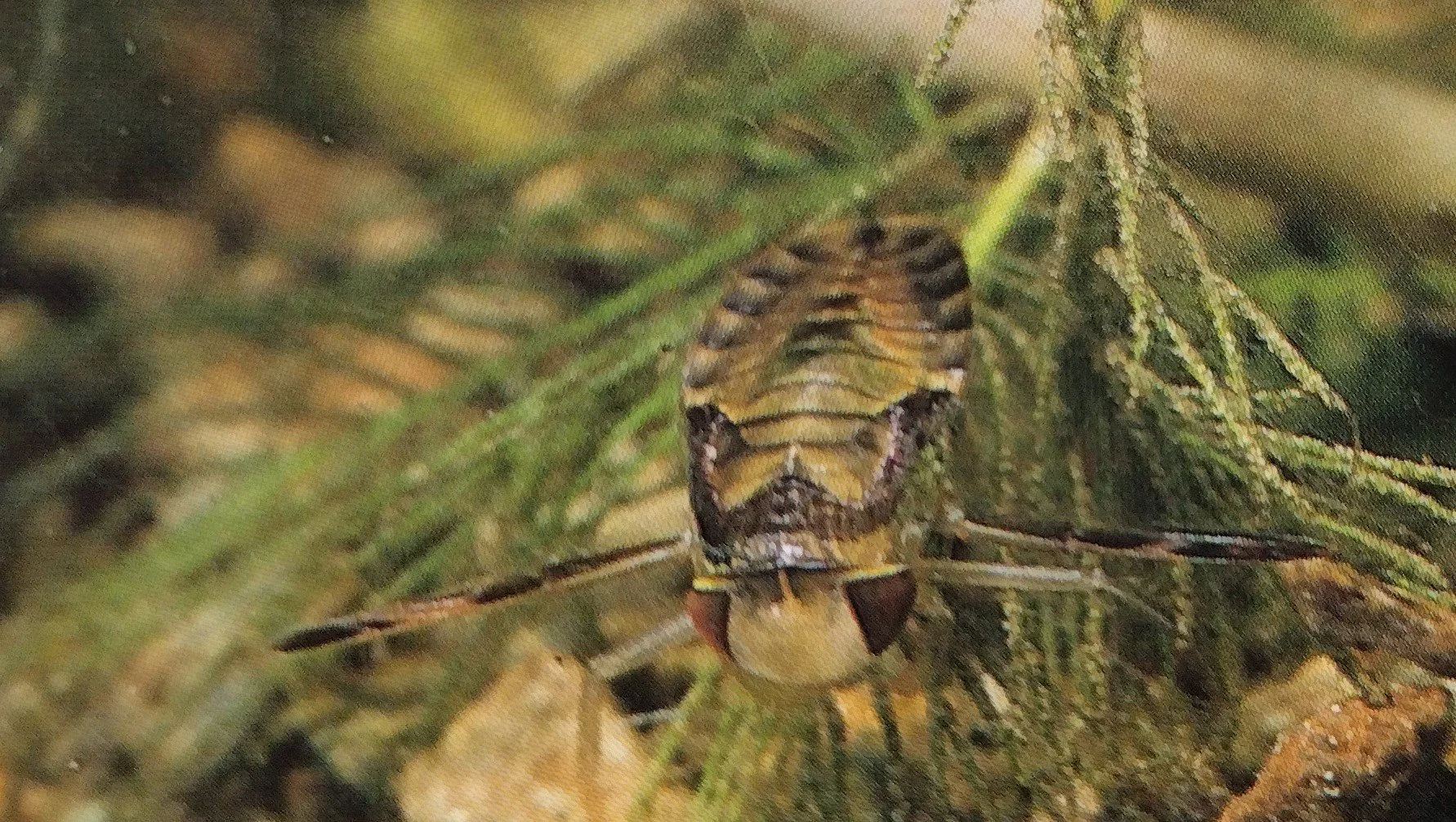
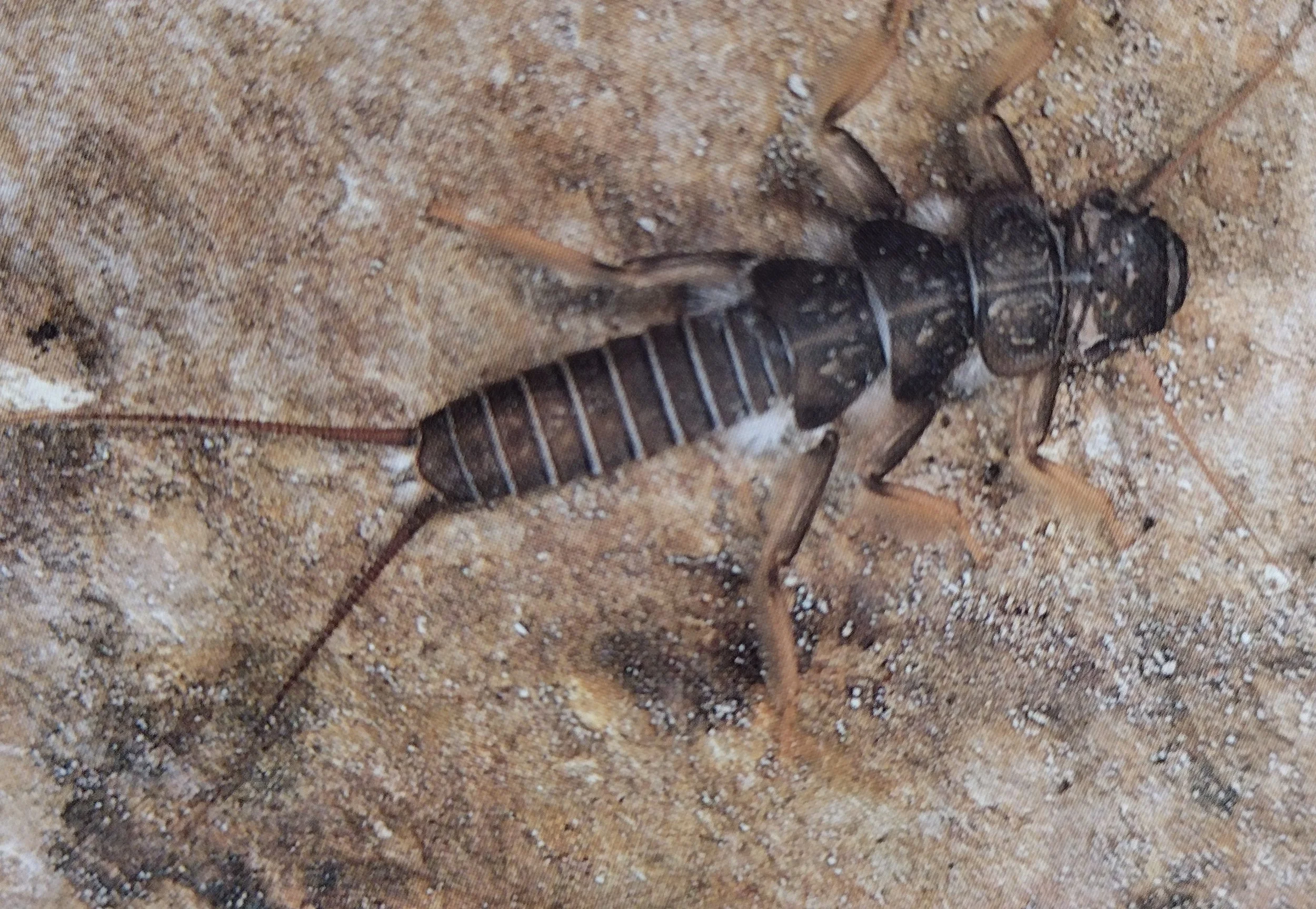
Assorted nymphs from the shallows.
Predicting how long it would take to generate a new natural beach line is impossible, research on the subject is limited. So before we make change, we need to fully understand the consequences.
David Scott. (Ex Lorton lad with an interest in Becks bugs and fish)

David Scott
David has had a relationship with the aquatic life of the Cocker and Crummock for over sixty years. Starting as a young lad living by their side in Lorton and ending as a fisheries expert for the Environment Agency. Now retired but still passionate about our natural world.